 Spotify
 Amazon Music
 PocketCasts
 Podcast Addict
 Deezer
 Player.fm
 Podchaser
 Listen Notes
 Apple Podcasts
 Overcast
 Castro
 CastBox
 Goodpods
 YouTube
Episode 24: Favorite Reads of 2025
Description
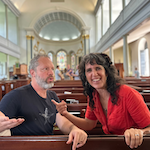
In this special year-end episode of Hot Takes on the Classics, Tim McIntosh and Emily Maeda share their five favorite reads of 2025. Moving from plays and poetry to memoir, philosophy, theology, neuroscience, and historical fiction, they reflect on the books that most shaped their thinking this year. Along the way, they discuss stage design and historical drama, political memoir, levitating saints and historiography, divided brain theory, mystical theology, and poetic devotion. They also ask an intriguing question: Which of these contemporary works might endure as future classics? The episode closes with a preview of next season’s theme—short narratives exploring the milestones of human life.
Episode Outline
- Introduction to the “Top Five Reads of 2025” format
- Discussion of the “Top Five Reads of 2025”
- Preview of next season: short stories and short narratives across the arc of life
Key Topics & Takeaways
- Literature and Performance Across Time: The Lehman Trilogy demonstrates how stagecraft and direction can elevate historical narrative into sweeping theatrical art, while Herbert’s The Temple shows how poetry functions as an architectural whole rather than isolated lyrics.
- Autobiography vs. Memoir: Dorothy Day’s A Long Loneliness offers a straightforward recounting of lived experience, in contrast to more literary memoirs like Augustine’s Confessions. The distinction between recounting and artistic shaping becomes part of the interpretive conversation.
- Mysticism and the Limits of Modern Materialism: Carlos Eire’s They Flew challenges historians to take seriously supernatural claims recorded in early modern sources, raising questions about empiricism, testimony, and belief.
- The Divided Brain and Cultural Imbalance: Ian McGilchrist’s The Master and His Emissary and The Matter with Things argue that Western culture overprivileges left-hemisphere abstraction at the expense of right-hemisphere wholeness, intuition, and poetic knowledge.
- Devotion and Incarnation: Simone Weil’s Waiting on God and George Herbert’s The Temple exemplify deeply incarnational spiritual writing—faith expressed through attention, humility, and beauty.
- The Question of the “Future Classic”: Throughout the episode, the hosts consider which of their contemporary selections might endure. While older works like Kierkegaard and Herbert are already canonical, authors like Franzen, Fosse, and McGilchrist raise the question of long-term literary legacy.
Questions & Discussion
- What makes a book feel “classic” rather than merely contemporary?
Consider whether clarity of moral vision, stylistic excellence, cultural influence, or thematic universality determines lasting status. - How does rereading change a book’s power?
Reflect on whether returning to a familiar text (like The Temple) reveals layers missed in earlier readings. - Is intuition a legitimate form of knowledge?
Drawing from McGilchrist’s work, consider how intuition functions in your own decision-making and whether it can be trusted. - Can contemporary fiction capture generational change convincingly?
Discuss whether multi-generational novels like Crossroads can successfully portray cultural shifts across decades. - Which of these books do you think will still be read 100 years from now?
Identify one title from this episode and defend its potential longevity.
Suggested Reading & Resources
- Devotchka
- The Lehman Trilogy by Stefano Massini
- Crossroads by Jonathan Franzen
- The Sickness Unto Death by Søren Kierkegaard
- Trilogy by Jon Fosse
- Waiting for God by Simone Weil
- The Temple by George Herbert
- The Long Loneliness by Dorothy Day
- They Flew: A History of the Impossible by Carlos Eire
- The Master and His Emissary by Ian McGilchrist
- The Matter with Things by Ian McGilchrist
- The Life You Save May Be Your Own by Paul Elie
- The League of the Lexicon
- Classical Academic Press